
Grosso is not a grape you'll find on a supermarket shelf next to Pinot Grigio. It's a niche variety, mostly grown in Italy's northern regions, and it has a stubborn, old-school character that winemakers either love or ignore. I first encountered Grosso at a tiny cantina in Friuli, where the owner poured a cloudy。amber-tinted glass and said, “This is what my grandfather drank” That was my introduction to a grape that refuses to be trendy.So what exactly is Grosso?The name pops up in several contexts. In Veneto, “Grosso” often refers to a biotype of Garganega, the grape behind Soave. In Trentino, it's a synonym for Nosiola, a white variety with nutty, honeyed notes. And in parts of Emilia-Romagna, you'll hear “Grosso” used for Lambrusco Grasparossa, a red with fierce acidity and dark fruit. This confusion is part of the problem. Unlike Chardonnay or Merlot。Grosso doesn't have a single identity—it's a cluster of local names, each with its own story. That ambiguity makes it hard to market, but it also makes it fascinating.
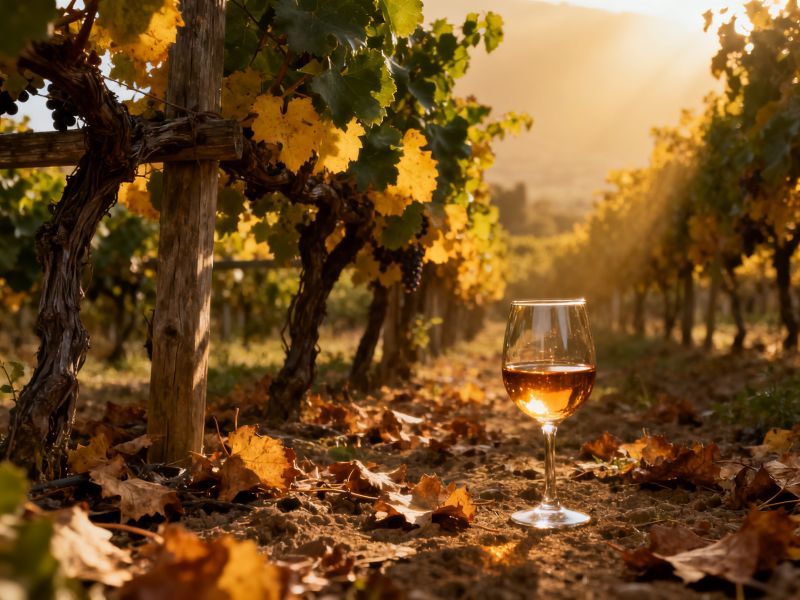
If you want to taste Grosso, start with a bottle of Soave Superiore labeled “Grosso” or a Nosiola from the Valsugana. Expect moderate alcohol, high acidity, and a texture that ranges from lean and mineral to waxy and broad, depending on how it's made. The best examples come from old vines—50 years or more—where yields are tiny and the fruit tastes of bitter almond and salt. I've had Grosso that aged for a decade and turned into something resembling dry Sherry, with a savory。almost briny finish. Not for everyone, but unforgettable.
Winemaking with Grosso is a lesson in patience. The skins are thick。so maceration can run for days without extracting harsh tannins. Fermentation often kicks off slowly, and malolactic is usually avoided to keep the acid spine intact. Many growers now use amphorae or old oak casks, but the traditional method—concrete tanks and no temperature control—still produces the most honest wines. A friend in Breganze makes a Grosso that spends two years in chestnut barrels;it's slightly oxidative, with a caramel edge that shouldn't work but does. That kind of risk-taking is rare, and it's why Grosso remains a cult favorite among sommeliers who crave something off the beaten path.For home cooks, Grosso wines pair best with simple, salty food: anchovies, grilled sardines, aged Asiago, or a plate of prosciutto. Avoid heavy sauces—they'll bury the delicate bitterness. If you're buying, look for producers who label the grape honestly. Don't be fooled by generic “Grosso” blends that hide behind appellation names. Check the back label for harvest dates and vineyard age. And if you find a bottle with a bit of sediment, that's a good sign—it means the wine wasn't filtered to death. Grosso isn't a crowd-pleaser。and it doesn't try to be. It's a grape for people who like their wine with a little grit and a lot of history.